
5 Things I Wished I'd Known Before My First Trip Trekking in Peru
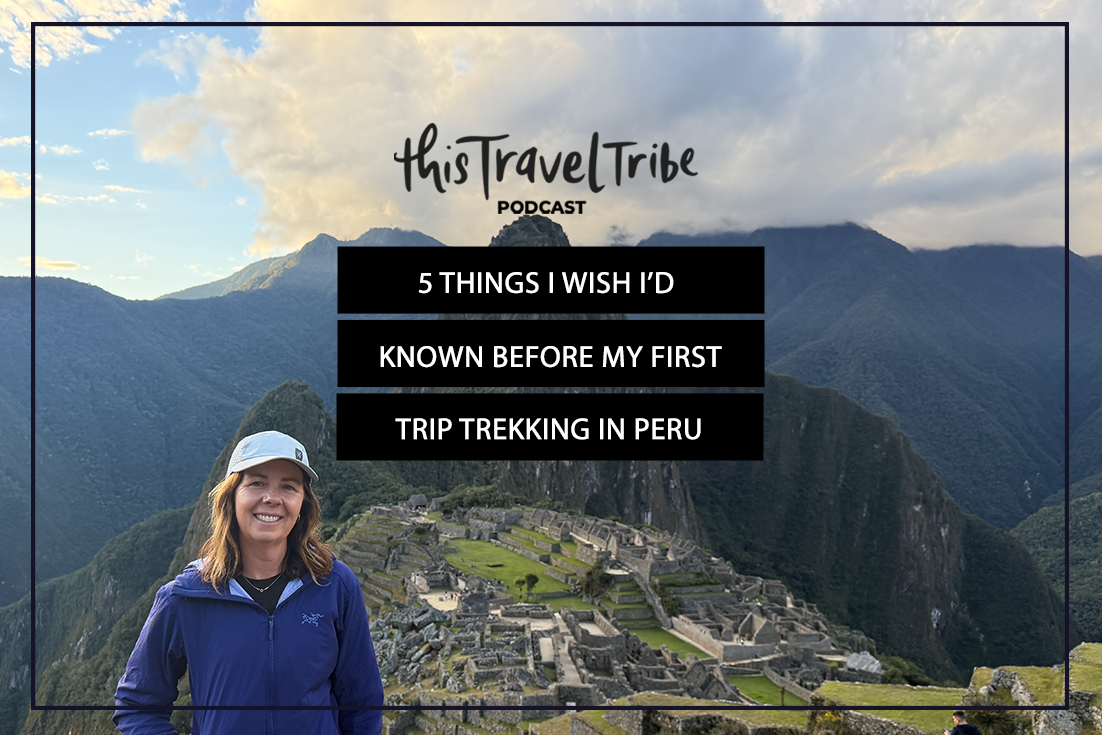
Planning your first trek to Peru? In this episode, Lisa shares five things she wishes she'd known before hiking to Machu Picchu, including altitude tips, what to expect in Cusco and the Sacred Valley, and how to prepare for an unforgettable trek through the Andes. Whether you're planning the Laras Trek, the Inca Trail, or simply visiting Machu Picchu, these practical tips will help you make the most of your Peru adventure.
iTunes | Spotify | YouTube | Audible
Dreaming of trekking to Machu Picchu? Before I packed my hiking boots and boarded my flight to Peru, I spent hours researching what to expect. I thought I had a pretty good idea of what the experience would be like, but there were still several things that completely surprised me.
From adjusting to the altitude to deciding how much time to spend in Cusco, these are the five things I wish I'd known before my first trek in Peru. Hopefully they'll help you prepare for an unforgettable adventure and make your own trip even smoother than mine.
1. Cusco
I originally thought of Cusco as simply the place I'd stay before heading to Machu Picchu.
I couldn't have been more wrong! Cusco ended up being one of my favorite cities in Peru. It's charming, colorful, incredibly walkable, and full of surprises around every corner.
Visit in June (I loved it!)
We visited in June, and every single day felt like a celebration.
There were parades throughout the city with different themes each day. One day featured children, another celebrated pets dressed in adorable costumes, and another honored older members of the community. It felt like the whole city was outside celebrating together.
The atmosphere was festive, welcoming, and unlike anywhere I've traveled before.
Wander Without an Agenda
One of my favorite things about Cusco was simply exploring.
You don't need to fill every hour with scheduled activities. Some of my favorite memories came from:
Wandering the cobblestone streets
Browsing local shops
Stopping into small cafés and bakeries
Trying delicious sandwiches and empanadas from tiny family-run restaurants
Watching daily celebrations in the main plaza
Sometimes the best travel experiences happen when you leave room to explore.
Treat Yourself to a Massage
One thing I definitely wasn't expecting was how many massage studios there were throughout Cusco. After several days of hiking, a massage sounded amazing, and it absolutely was.
We paid about $50 USD for a two-hour massage including tip, which felt like an incredible value. My sore calves were incredibly grateful after trekking through the Andes.
If you're planning to hike, I highly recommend scheduling a massage afterward.
Save Room in Your Suitcase
Cusco is also an excellent place to shop for souvenirs.
You'll find:
Alpaca clothing
Beanies and mittens
Jewelry
Leather goods
Handmade ornaments
Local artwork
One of my favorite finds was a handcrafted leather bag from a local artisan named Ronaldo. He was cutting and sewing each bag by hand, and mine still has his measurement marks on the inside. It cost just $25 and has become one of my favorite travel souvenirs.
Take a Cooking Class
One of the highlights of our time in Cusco was taking a Peruvian cooking class.
We toured a local market, gathered fresh ingredients, and learned how to prepare several traditional dishes, including ceviche, alpaca, and fresh fruit desserts made with fruits I'd never tried before.
Trying local food is one of my favorite ways to experience another culture, and this class made the experience even more memorable.
2. The Altitude Is No Joke
If there's one thing I could encourage every traveler to take seriously before visiting Peru, it's the altitude.
Most people fly into Lima before connecting to Cusco, and while Lima sits at sea level, Cusco is over 11,000 feet above sea level. If you're trekking, you'll climb even higher. During our Laras Trek, we reached nearly 15,500 feet, which was the highest elevation I've ever experienced.
I expected to feel a little out of breath. I didn't expect how much altitude could affect everything from my energy levels to my appetite.
Thankfully, there are several things you can do to help your body adjust.
Tips for Adjusting to the Altitude
Plan a few slower days when you first arrive.
Drink far more water than you normally would.
Avoid overexerting yourself during your first day or two.
Listen to your body if you start feeling dizzy or nauseous.
Talk with your doctor before your trip about whether altitude medication is right for you.
The good news is that once you give your body a little time, you'll be able to enjoy everything Peru has to offer much more comfortably.
3. The Sacred Valley & Areas near Cusco
After spending a couple of days in Cusco, we made our way to the Sacred Valley. At first, I thought this part of the itinerary was mostly to help us acclimate before trekking. It certainly does help with the altitude, but it ended up being so much more than that.
The Sacred Valley is one of the most beautiful places I visited in Peru. Between the mountains, ancient ruins, and small villages, every stop felt completely different from the last.
Meet Llamas and Alpacas
One of our first stops was a llama and alpaca farm. If you've always dreamed of seeing llamas wandering around Peru, you're in luck because they really are everywhere. It almost didn't feel real.
The farm gave us the chance to:
Feed llamas and alpacas
Take plenty of photos
Learn about alpaca wool
Shop for handmade alpaca products
I came home with an incredibly soft baby alpaca beanie that has become one of my favorite souvenirs.
Explore Ancient Towns
We also visited the charming town of Pisac, home to impressive Inca ruins and a lively local market.
Walking through these ancient sites gave me an even greater appreciation for Peru's history and culture. Every stop along the way offered another incredible view of the Andes.
Visit the Maras Salt Mines
One stop that completely surprised me was the Maras Salt Mines. Maras Salt Mines are entirely outdoors, which surprised me.
Thousands of shallow salt pools stretch across the mountainside, creating one of the most unique landscapes I've ever seen. Local families have harvested salt here for generations, with each family maintaining several individual pools.
Of course, I couldn't leave without buying some locally harvested salt and a few treats from the gift shop.
Why the Sacred Valley Is Worth Your Time
The Sacred Valley isn't just somewhere to pass the time before your trek. It's an unforgettable destination all on its own.
While driving through the valley, you'll experience changing elevations that naturally help your body acclimate while also enjoying some of the most breathtaking scenery in Peru.
If your itinerary includes a few days here, don't think of it as a stop between destinations. It is one of the destinations.
4. Trekking to Machu Picchu
The trek to Machu Picchu deserves an entire blog post of its own. Whether you choose the Laras Trek, Salkantay Trek, Inca Trail, or another route, one thing is certain.
This is not an easy hike! Thankfully, I work out regularly and hike often, which gave me a solid foundation before the trip. Even with that preparation, the altitude and steep climbs were challenging.
If you're planning to trek, here are the biggest things I wish I'd known.
Bring Hiking Poles
This might be my number one piece of hiking advice.
Our guide rented hiking poles for us, and I honestly don't know how I would have done the trek without them. They made steep climbs easier, took pressure off my knees during descents, and gave me extra stability on uneven trails.
If your tour company doesn't provide them, bring your own.
Pack Your Favorite Hiking Snacks
While Peru has convenience stores, you may not find the brands you normally rely on during long hikes.
I recommend packing your favorites from home, such as:
Beef jerky
Trail mix
Dried mango
Energy chews
Protein bars
Honey Stinger waffles
When you're hiking for hours at high elevation, familiar snacks can make a huge difference.
You Won't Carry Everything
One thing that pleasantly surprised me was how little we actually carried ourselves.The night before our trek, we packed everything we'd need into a duffel bag. Pack horses carried the duffels throughout the trek, while we only carried a small daypack with:
Water
Snacks
Extra layers
Camera
Personal essentials
That made the experience much more enjoyable!
Why We Chose the Laras Trek
There are several trekking routes to Machu Picchu, but our guide recommended the Laras Trek because it's far less crowded than the more popular routes.
That meant we spent much of our hike with the Andes almost entirely to ourselves. It was peaceful, quiet, and incredibly beautiful.
One thing to know is that the Laras Trek includes one night of camping, since there aren't many services along the route.
While camping isn't everyone's favorite, waking up surrounded by the Andes made it completely worth it.
The Final Day on the Inca Trail
One of my favorite parts of the entire trip was hiking the final section of the historic Inca Trail.
Even if you don't want to complete a multi-day trek, I highly recommend hiking this final stretch if possible. It's the only way hikers can enter Machu Picchu through the Sun Gate.
After days of hiking, reaching the overlook and seeing Machu Picchu appear in the distance was one of the most emotional travel moments I've ever experienced.
Our guide timed everything perfectly, arriving just before sunset when the crowds had mostly disappeared. We weren't rushing.
We took long breaks, explored additional ruins along the way, enjoyed lunch together, and simply soaked in every moment. Looking back, I'm so grateful we didn't hurry.
5. Machu Picchu
Some destinations don't quite live up to the hype. Machu Picchu isn't one of them.
It exceeded every expectation I had!!!
Hire a Great Guide
One thing I'm especially grateful for was traveling with a guide. Our guide Juan was amazing!
Not only did he handle all of the complicated logistics and ticket reservations, but he also shared the history and stories that made the ruins come alive.
Instead of worrying about entry times or transportation, I was able to simply enjoy the experience. If you're planning your own trip, I highly recommend finding a knowledgeable local guide.
Don't Forget Your Passport
One important detail that surprised me was that you need your passport to enter Machu Picchu.
Your passport is checked alongside your ticket at several points, so don't leave it behind at your hotel.
Book an Early Entry
If I could give only one tip for visiting Machu Picchu, it would be this. Go early!
After hiking in through the Sun Gate the evening before, we returned the next morning for a 7:00 a.m. entry. There were very few people there, and the peaceful atmosphere made the experience even more special.
By lunchtime, the crowds had grown significantly. If you have the option, choose one of the earliest entry times available.
Walking Through the Ruins
One thing I didn't realize before visiting is that you can still walk through much of Machu Picchu.
Visitors now follow designated circuits, which help preserve the site while still allowing you to experience the ruins up close.
Walking through this ancient city while learning about its history was something I'll never forget.
When Is the Best Time to Visit Peru?
According to our guide, the best time to visit Peru is late March through November.
The rainy season typically runs from mid-December through March, making trekking much less enjoyable.
We visited in June, and I wouldn't change a thing.
The weather was cool, dry, and perfect for hiking. Coming from the Arizona heat, it was actually refreshing to wear sweatshirts, jackets, and beanies again.
If you're planning a trek to Machu Picchu, June is an excellent time to visit.
Final Thoughts
Peru completely exceeded my expectations!
From wandering the streets of Cusco to exploring the Sacred Valley, trekking through the Andes, and finally standing in front of Machu Picchu, every part of the journey felt unforgettable.
If you're considering a trip to Peru, my biggest advice is simple:
Give yourself time to acclimate.
Slow down and enjoy Cusco.
Don't skip the Sacred Valley.
Be prepared for the trek.
Visit Machu Picchu early in the morning.
It will challenge you, inspire you, and leave you with memories you'll carry for the rest of your life.